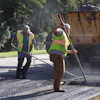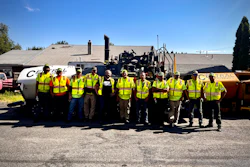
According to a late 2024 Construction Labor Market report from the Home Builders Institute (HBI), there are 8.3 million payroll construction workers in the U.S. The architecture, engineering and construction (AEC) industry – and the construction industry in particular – comprises one the largest and most critical workforces in America. In addition to being one of the largest workforces, the construction industry is also one that remains male-dominated, with men accounting for nearly 90% of the industry as of 2024.
In 2025 alone, the AEC industry has witnessed ongoing workforce challenges, rising costs and growing uncertainty following the recent introduction of tariffs. As AI and GenAI become more widely adopted within the industry, this also reiterates the importance of protecting AEC professionals at all levels – as the success of this technology integration will be dependent on their deep industry expertise. As such, support for this critical workforce remains more important now than ever, particularly when it comes to their overall mental and physical health and well-being.
As a disease affecting 1 in 8 men in the U.S., the American Cancer Society estimates more than 310,000 new cases of prostate cancer in 2025, and over 35,000 deaths. New research from Bluebeam – in partnership with ZERO Prostate Cancer – surveying male AEC professionals in the U.S., also found that more than 65% of male construction workers have never been screened for prostate cancer, and 81% report delaying screenings. This begs the question, what are the top barriers preventing men, particularly in the construction industry, from seeking help for major health issues, and how can we best address them to protect this essential workforce?
Fear and stigma remain a systemic issue
How has the “tough it out” culture in construction contributed to the critical health gap among men within the industry? According to Bluebeam’s survey, 52% of construction workers feel pressured to “tough it out” rather than discuss or seek help for physical or mental health issues. Nearly half of those surveyed also believe they face more stigma around discussing health than those in other sectors, and a quarter also fear being judged by their coworkers for speaking openly about personal health concerns. Stigma and fear are holding back men from seeking critical health care.
Addressing knowledge gaps is step one
When caught early, prostate cancer has a nearly 100% survival rate according to ZERO Prostate Cancer. With this in mind, why is it that, as of 2023, only 38% of men aged 55-69 years had a Prostate-Specific Antigen (PSA) test within the past year? Among construction workers in particular, knowledge gaps, fear and stigma remain ongoing barriers to routine screenings and overall preventative care of prostate cancer.
Of those surveyed in Bluebeam’s report, more than two thirds (69%) of respondents aged 45-54 – the recommended age to begin prostate cancer screening – don’t know how often they should be tested. In addition, more than a third (37%) also did not know that early prostate cancer screening can be done through a simple, non-invasive blood test. This knowledge gap is the root cause of the critical health gap and emphasizes the importance of and need for education and industry-specific resources. From higher risk factors to the recommended age to begin screenings to what the screening process itself looks like, addressing this knowledge barrier remains step one to creating an environment of awareness for those in construction we depend on most.
How do we address the health gap in AEC?
Despite the barriers preventing men within AEC from seeking preventive healthcare, the AEC industry does want to take action and start breaking down this stigma. In fact, 66% of respondents would feel more comfortable disclosing their health challenges with other construction workers if others did too. In addition, 79% say they would also feel comfortable talking to a doctor about personal health concerns.
Awareness, education, and conversation are the key steps to addressing the challenges around preventative care we are seeing for men in construction. Preventative care can take many forms – from getting regular check-ups every year, to staying informed regarding the recommended ages to be screened for certain diseases, to researching and educating on the topic. Industry-specific education and resources that are easily accessible and sourced from trusted sources are also critical to increasing awareness among AEC professionals.
Protecting one of America’s largest workforces starts with action. Hearing directly from professionals in the AEC industry about their mental and physical health and well-being and creating more opportunities to have these conversations remains essential to both retaining and attracting this important workforce.