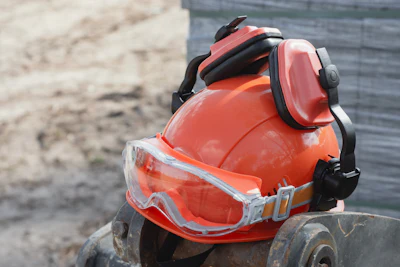
As jobsite hazards evolve, employers are evaluating head protection options that provide protection beyond minimum requirements. The 2026 revision of ANSI/ISEA Z89.1 adds optional testing criteria for features such as enhanced retention, chin strap performance and multidirectional impact protection.
ANSI/ISEA Z89.1 is referenced in OSHA regulations and remains a primary benchmark for industrial head protection. The 2026 revision does not replace existing requirements or make currently compliant head protection obsolete. It maintains the Type I and Type II designations for impact and penetration protection and Class designations for electrical protection.
Key updates
The revised standard introduces a "+" designation to identify head protection tested to enhanced performance criteria:
- Type I+ includes chin strap performance, enhanced retention and multidirectional impact protection.
- Type II+ includes chin strap performance and enhanced retention while maintaining Type II impact protection.
- Chin strap retention testing evaluates whether the head protection remains secured during impacts or falls.
- Helmet retention testing evaluates whether head protection stays properly positioned during slips or trips.
- Multidirectional impact testing for Type I+ evaluates protection from front, rear and side impacts.
- Reverse wearing guidance adds checks for "+" head protection worn in reverse to ensure it remains securely positioned.
- Environmental and visibility markings retain HT for high-temperature and LT for low-temperature performance. The high-visibility (HV) marking is updated to enhanced visibility (EV), with no change to visibility performance.
The updated criteria standardize testing for features already available in some head protection products, giving safety professionals additional information when selecting equipment for specific hazards.
ISEA emphasizes that head protection should be selected based on actual jobsite conditions. Enhanced options such as Type I+ and Type II+ provide additional performance criteria, but the appropriate level of protection depends on the hazards workers face.